


The role of risk management in Ethereum (ETH) **
The cryptocurrency trade has become more and more popular in recent years, and millions of dealers around the world have participated every day in the market. One of the key factors that contribute to this success is risk management. In fact, effective risk management is of crucial importance for all types of cryptocurrency trade, including the purchase and sale of Ethereum (ETH). In this article, we will examine the role of risk management in trade with Ethereum and will give advice for successful implementation.
why risk management is significant
Cryptocurrencies are known for their high volatility, prices fluctuating quickly due to factors such as changes in the mood of the market, regulatory news and economic indicators. This volatility can cause significant losses if retailers do not take care of the administration of their risk. Without appropriate risk management strategies, retailers may be forced to sell or enter positions that they cannot afford to lose, which causes considerable financial losses.
The importance of risk assessment
Before entering the cryptocurrency market, it is important for dealers to assess their tolerance at risk and to understand the potential risks associated with each asset, including Ethereum. This includes the evaluation of various factors such as:
- volatility : How many prices can prices await a dealer?
- Liquidity
: To what extent you can buy or sell assets in the event of panic or sudden change in the mood of the market?
- Capitalization market : The size and influence of the cryptocurrency market, which can affect volatility.
- Safety measures : The effectiveness of wall pockets, scholarships and other security measures by dealers to prevent hacking.
Risk management strategies for Ethereum trade
In order to minimize the risk of negotiation in Ethereum, retailers should use a combination of strategies, in particular:
- Size of the position : Capital management invested in each profession to limit potential losses.
- Orders stop-loss : Define price levels for sale or automatic position of posts if prices change compared to the expectations of the concessionaire.
- Diversification : Distribution of investments on several assets in order to reduce exposure to individual security.
- Protection : Use of derivative instruments such as term contracts to mitigate potential losses in a certain market state.
- Risk rate rate : Define clear rules for trading according to risks and rewards to ensure that retailers do not conclude too much compared to their objectives.
Best practices
Follow these best practices to ensure effective risk management during negotiations with Ethereum:
- Develop a solid understanding of the cryptocurrency market : Discover market trends, news and regulatory developments continuously.
- Use technical analysis tools : Use technical indicators and diagrams to identify potential negotiation options and predict market movements.
- Tose on the risk management framework
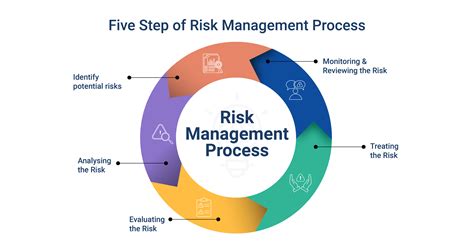
: clear rules of insects for risk management and stay within these limits.
- Check and regularly adapt risk management strategies : Adjust your approach if market conditions change and new information is available.
Diploma
Risk management is essential for dealers to sail in the complex and unpredictable world of cryptocurrency markets. By understanding the importance of risk assessment, the implementation of effective risk management strategies and compliance with best practices, retailers can minimize potential losses and at the same time benefit from the opportunities offered by Ethereum. Remember that risk management is a lifelong learning process. If you stay up to date, adjust your approach as needed and always prioritize caution during negotiation with the volatile world of cryptocurrencies.