


Ethereum: Understanding the Limits of the Lightning Network
As the second-largest cryptocurrency by market capitalization, Ethereum has made significant strides in improving the scalability and efficiency of its blockchain network. One key component of this effort is the Lightning Network (LN), a decentralized, microtransactions-based system that allows users to send and receive small amounts of value without the need for traditional transactions.
In this article, we’ll explore whether the lightning network’s limitations are due to the “size” of channels or another factor. To understand this question, let’s first define some key concepts related to the Lightning Network:
* Channels
: In the Lightning Network, a channel is essentially an asynchronous transaction between two users, where a user sends value (in the form of tokens) to leave user without exchange for standard assets like BTC.
* tokens and channel size : the size of channels referers to the maximum amount of value that can be transferred in a single transaction. This value is limited by the total supply of lightning tokens on the network, which is currently capped at 1 million USDC (or other stablecoins) per user.
Now, let’s examine whether these limitations are due to the “size” of channels or another factor. In our Example, we’ll use Alice and Rob as an Illustrative Case Study:
Imagine they have multiple channels between each other, eventually linking them together. The total amount locked in their multisig address for these channels is represented by Alice’sandRob’s` BTC Amounts.
The “size” of channels referers to the maximum value that can be transferred in a single transaction (e.g., 1 million USDC). As we add more channels between Alice and Rob, the total amount of value being transferred each time increases. However, this also means that the size of each channel decreases, as smaller values are used.
the “size” limitation
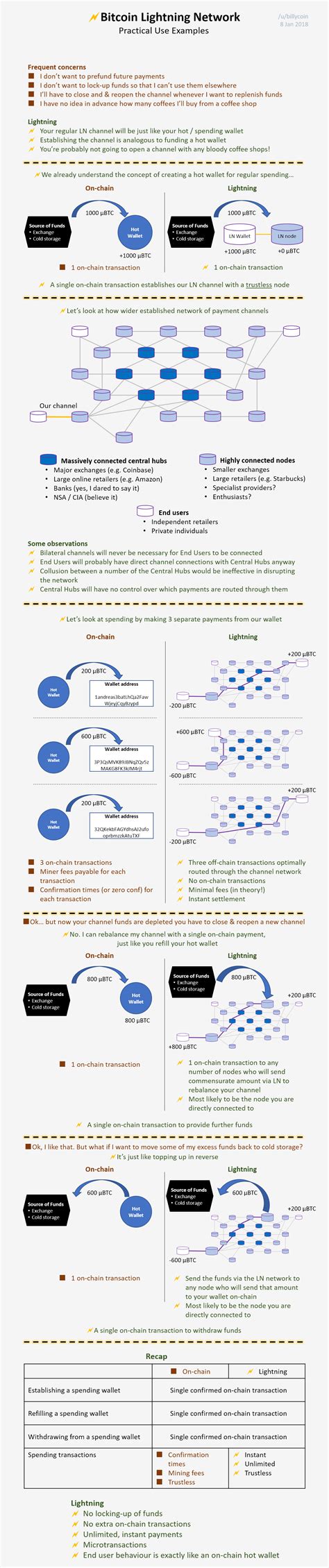
While it’s true that the “size” of channels effects the transaction costs and efficiency, it’s not the primary reason why the lightning network is limited by this factor. The main bottleneck lies in the overall network capacity, Rather than individual channel sizes.
With a large number of users and channels, the network becomes saturated with transactions, leading to increase congestion and slower transaction processing times. This, in turn, effects the overall capacity of the network, making it more difficult for new transactions to be processed.
The Role of Gas Prices
Another important factor contributing to the “size” limitation is gas prices. As users add more channels between themselves, they increase their reliance on gas fees to cover transaction costs. If gas prices are high, it becomes increasingly expensive for users to send value through the lightning network, further exacting the bottleneck.
Conclusion
In Conclusion, while the “size” of channels does not affect the transaction costs and efficiency in the lightning network, it is not the primary reason why the network is limited by this factor. The main bottleneck lies in the overall network capacity, which is affected by factors such as user base growth, transaction congestion, and gas prices.
As the demand for scalability solutions continues to grow, Ethereum’s Developers will need to explore innovative ways to improve the lightning network’s performance and expand its capacity. This may involve introducing New Technologies, Optimizing Existing Infrastructure, or Exploring Alternative Architectures that can handle larger volumes of transactions more efficiently.
Additional Reading:
- “The Lightning Network: A Scalable Solution for Defi” by Ethereum Research Team
- “Ethereum 2.0: Scaling the Lightning Network” by Ethereum Foundation